

The next five years can bring major changes to the way people work, learn, and build their careers. Artificial intelligence, automation, remote work, digital tools, changing business models, and new skill requirements are already influencing many industries. For students, graduates, freelancers, employees, and professionals considering a career change, planning ahead can make it easier to respond to these changes.
Career Development Strategies can help you build relevant skills, improve your professional profile, expand your network, and prepare for new opportunities. Instead of waiting until your current role becomes uncertain, you can use the next five years to develop skills and experience that remain useful across changing work environments.
This guide explains practical ways to plan your career, identify valuable skills, build professional relationships, use technology responsibly, improve your personal brand, and create a flexible career plan for the years ahead.
Why Career Planning Matters for the Next Five Years
Career planning is not about predicting exactly where your industry will be several years from now. It is about preparing yourself to adapt when conditions change. A job title, software platform, or specific technical skill may change, but abilities such as communication, problem-solving, learning, collaboration, and professional judgment can remain valuable.
Strong Career Development Strategies focus on building a combination of technical knowledge and transferable skills. This approach can help you remain useful when companies introduce new technologies, restructure teams, or change the way work is organized.
A five-year career plan should therefore be flexible. Instead of creating a rigid list of positions you must achieve, identify the skills, experiences, relationships, and professional results you want to develop over time.
1. Assess Your Current Career Position
Before deciding where you want to go, understand where you are today. Review your current skills, experience, education, achievements, responsibilities, interests, and areas that need improvement.
Ask yourself several practical questions. What tasks do you perform well? Which skills are currently valuable in your industry? Which responsibilities do you enjoy? What skills do employers increasingly request? Are there gaps between your current abilities and the type of work you want to pursue?
This assessment gives you a realistic starting point for Career Development Strategies. It can also prevent you from spending time learning skills that have little connection to your professional goals.
2. Identify Skills That Will Remain Valuable
The workplace is changing, but not every valuable skill is tied to a particular technology. Professionals can benefit from developing both technical and human-centered abilities.
Technical skills may include data analysis, cybersecurity, software development, digital tools, artificial intelligence, cloud technologies, project management, design, or industry-specific systems. The right technical skills depend on your field.
Human skills are also important. Communication, critical thinking, creativity, teamwork, adaptability, negotiation, leadership, and problem-solving can help professionals work effectively in different situations.
One of the most practical Career Development Strategies is to combine specialized knowledge with transferable skills. This combination can give you more flexibility when your responsibilities or industry requirements change.
3. Build AI and Digital Literacy
Artificial intelligence is becoming part of many professional workflows. You do not necessarily need to become an AI engineer to benefit from understanding how modern AI tools work. Professionals in many fields can learn how to use technology to research information, organize work, analyze data, generate drafts, automate repetitive tasks, or improve productivity.
Digital literacy also means understanding the limitations of technology. AI-generated information can contain errors, outdated information, or misleading conclusions. Professionals should review important outputs, protect confidential information, and apply human judgment before using automated results.
Adding responsible technology use to your Career Development Strategies can help you become more comfortable with changing workflows while maintaining professional standards.
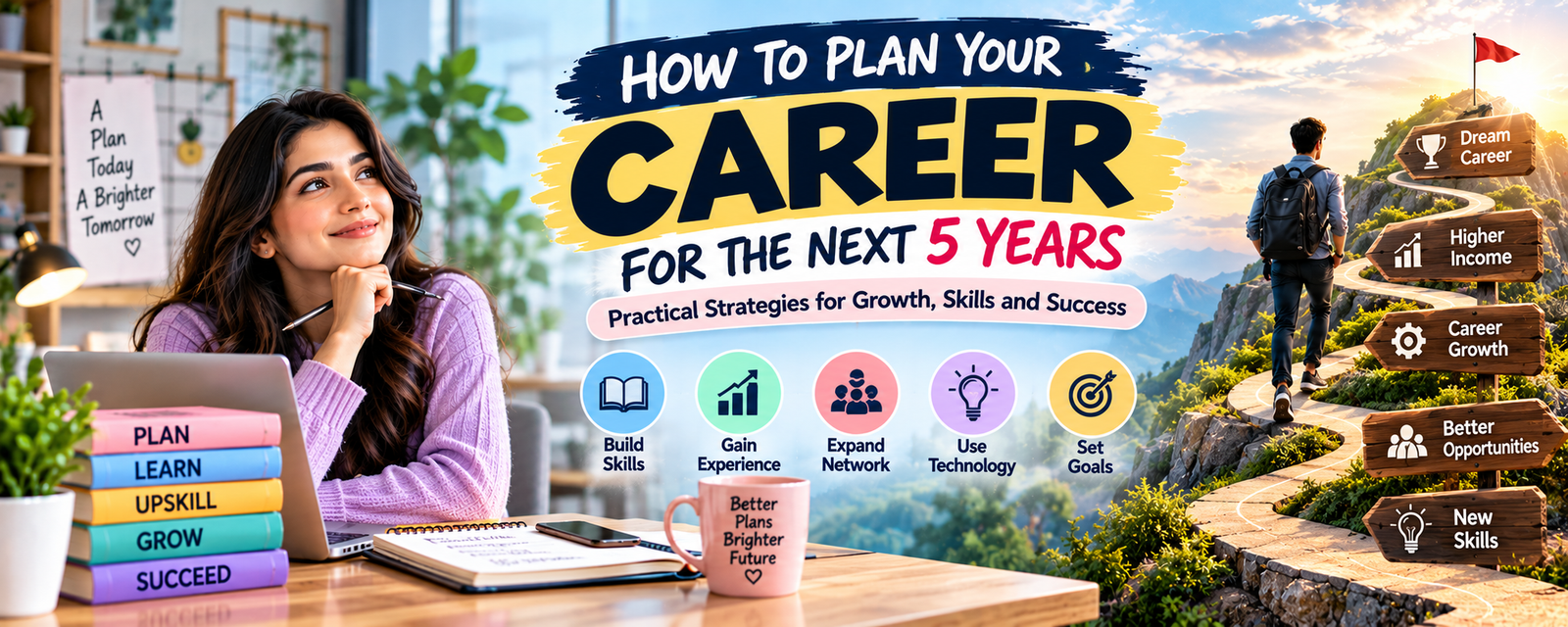
4. Create a Five-Year Career Roadmap
A five-year roadmap does not need to predict every job you will have. Instead, divide your goals into manageable stages.
- Year 1: Assess your skills, improve important weaknesses, and establish clear career goals.
- Year 2: Build stronger expertise through projects, training, certifications, or practical experience.
- Year 3: Take on more responsibility and develop leadership or specialist capabilities.
- Year 4: Expand your professional network and pursue opportunities that match your stronger skill set.
- Year 5: Review your progress and decide whether to specialize, move into leadership, change industries, or pursue another direction.
These stages are not rules. Your circumstances may change, so review the plan regularly. Flexible Career Development Strategies allow you to adjust your goals without abandoning your overall direction.
5. Develop a Specialization
Being familiar with many subjects can be useful, but developing deeper expertise in a specific area can also strengthen your professional identity. A specialization helps employers, clients, and professional contacts understand what you can offer.
For example, someone working in digital commerce might specialize in Shopify development, product management, e-commerce operations, conversion optimization, or analytics. A writer might focus on technical writing, SEO content, financial content, or B2B communication.
Choose a specialization based on your interests, existing strengths, market demand, and willingness to continue learning. Your specialty can evolve as your career develops.
6. Build a Strong Professional Portfolio
A resume can explain what you have done, but a portfolio can provide evidence of your abilities. Depending on your profession, this could include projects, case studies, designs, reports, code samples, writing samples, presentations, research, business results, or other examples of completed work.
When creating a portfolio, focus on outcomes and context. Explain the problem, your role, the approach you used, and the result. Avoid presenting a large collection of unrelated work without explanation.
A strong portfolio should support your Career Development Strategies by showing how your skills have developed over time.
7. Continue Learning Through Practical Projects
Courses and certifications can provide structured learning, but practical projects help turn knowledge into usable skills. After learning a new concept, look for a small project where you can apply it.
For example, a data learner could analyze a public dataset. A web developer could create a small application. A marketing professional could develop a sample campaign plan. A project manager could practice creating a project schedule and risk plan.
Practical learning is one of the most useful Career Development Strategies because it creates evidence that you can apply knowledge rather than simply understand theory.
8. Strengthen Your Communication Skills
Strong communication can affect almost every career. Professionals need to explain ideas, write clear emails, participate in meetings, present information, negotiate priorities, and communicate with different audiences.
Improving communication does not require complicated vocabulary. Clear writing, active listening, organized explanations, and respectful professional behavior are often more useful than trying to sound overly formal.
Practice summarizing complex ideas in simple language. Ask for feedback on presentations or written work. Learn how to adjust your communication style based on your audience.
9. Build and Maintain a Professional Network
Career opportunities can come through professional relationships, referrals, industry communities, former colleagues, mentors, clients, and people you meet through events or online platforms.
Networking should not be limited to periods when you need a job. Stay connected with people in your field, share useful information, congratulate others on achievements, and participate in professional discussions.
Networking is an important part of Career Development Strategies because relationships can provide information, feedback, introductions, and opportunities that may not appear through traditional job searches.
10. Find a Mentor or Professional Adviser
A mentor can provide perspective based on experience. The right mentor may help you understand industry expectations, identify skill gaps, prepare for professional challenges, or think through career decisions.
You do not necessarily need a formal mentoring program. A trusted senior colleague, experienced professional, former manager, teacher, or industry contact may provide useful guidance.
When approaching a potential mentor, be respectful of their time. Ask specific questions, prepare for conversations, and act on useful feedback.
11. Improve Your Online Professional Presence
Your online presence can influence how potential employers, clients, recruiters, and professional contacts understand your background. Review your LinkedIn profile, portfolio, professional website, and other public professional accounts.
Make sure your information is accurate and consistent. Highlight relevant skills, projects, achievements, certifications, and professional interests.
Publishing useful insights or participating thoughtfully in industry discussions can also help demonstrate your knowledge. Your online presence should support your Career Development Strategies rather than simply repeat your resume.
12. Learn How to Adapt to Industry Changes
Every industry changes at a different pace. Some fields may experience rapid technological changes, while others may change more gradually because of regulations, customer behavior, demographics, or economic conditions.
Follow reliable industry publications, professional associations, company announcements, training resources, and relevant research. Pay attention to changes in job descriptions and the skills employers are requesting.
Do not react to every new trend. Instead, evaluate whether a development is relevant to your role and whether learning about it could provide practical value.
13. Develop Leadership Skills
Leadership is not limited to people with management titles. You can develop leadership skills by taking responsibility, coordinating projects, mentoring colleagues, solving problems, and helping teams reach clear goals.
Useful leadership abilities include decision-making, delegation, conflict management, accountability, communication, planning, and emotional awareness.
Developing leadership capabilities can strengthen Career Development Strategies for professionals who eventually want to manage teams or lead projects.
14. Build Financial and Career Resilience
Career development is not only about promotions. Financial stability and professional flexibility can also influence your ability to make career decisions.
Where possible, maintain an emergency fund, understand your compensation, track professional expenses, and avoid depending entirely on one source of income when a diversified approach is practical for your situation.
Professional resilience also means maintaining current skills, a useful network, and an updated portfolio so you can respond more effectively if your employment situation changes.
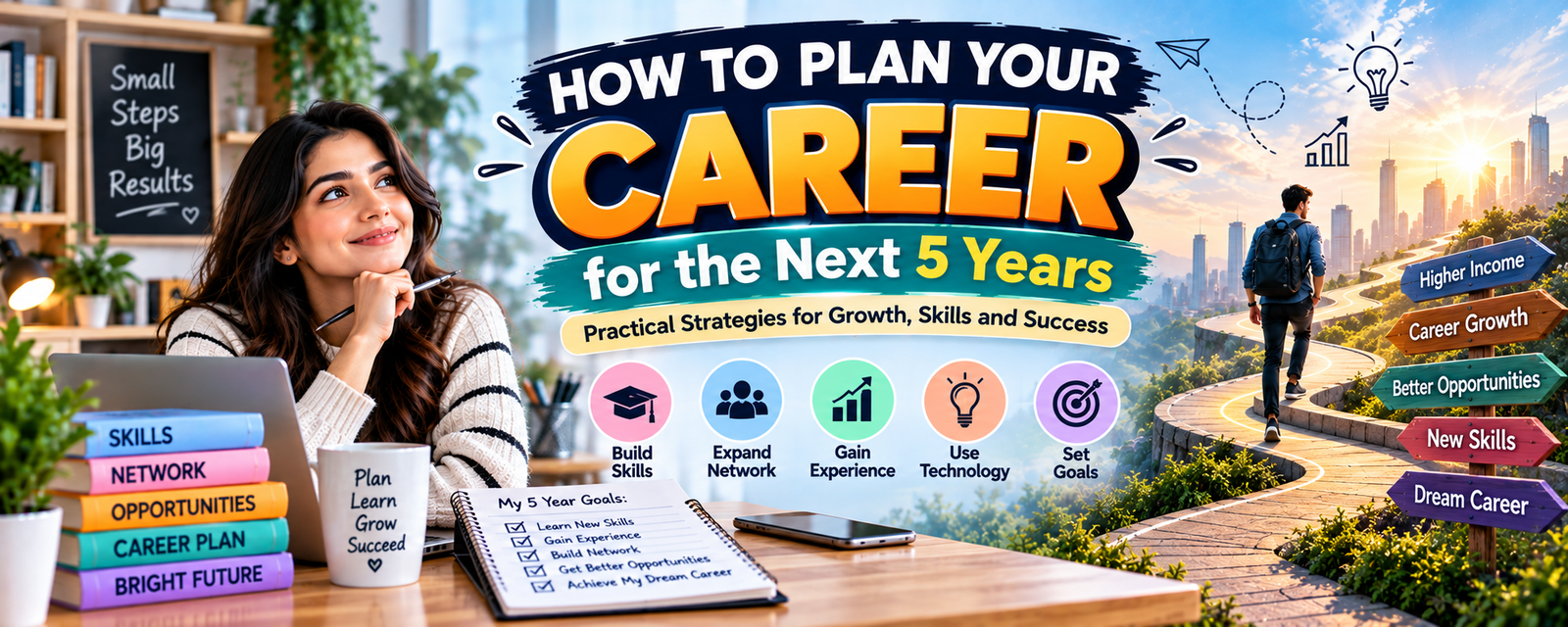
15. Consider Multiple Career Paths
A single career path may not be the right approach for everyone. Your experience could eventually lead to specialist work, management, consulting, freelancing, entrepreneurship, teaching, or a different industry.
Consider adjacent career paths that use your existing experience while allowing you to develop new capabilities. This can create options without requiring you to start completely from zero.
Flexible Career Development Strategies allow you to explore opportunities while keeping your long-term goals in view.
16. Track Your Professional Progress
Career growth is easier to manage when you measure progress. Keep a record of completed projects, new skills, certifications, responsibilities, measurable results, positive feedback, and professional milestones.
Review your progress every few months. Ask whether your current activities are moving you toward your goals. If not, adjust your learning priorities or seek opportunities that provide better experience.
Tracking progress makes Career Development Strategies more practical because you can evaluate what is working instead of relying only on assumptions.
17. Avoid Chasing Every New Trend
The next five years will likely bring new tools, platforms, job titles, and technologies. Trying to learn everything can lead to wasted time and shallow knowledge.
Before investing significant time in a new trend, ask whether it is relevant to your industry, whether employers or clients actually value it, whether it complements your existing skills, and whether it supports your career goals.
A focused learning plan is usually easier to maintain than constantly switching between unrelated subjects.
18. Build Transferable Skills
Transferable skills are useful because they can move with you when your role, employer, or industry changes. Examples include project management, research, writing, communication, customer service, analysis, organization, negotiation, and problem-solving.
These abilities can complement technical expertise and make it easier to adapt when your career direction changes.
19. Prepare for Remote and Hybrid Work
Remote and hybrid work require more than having a reliable internet connection. Professionals may need strong written communication, time management, digital collaboration skills, documentation habits, and the ability to work independently.
Learn how to use collaboration platforms, manage tasks digitally, organize files, communicate clearly across time zones, and maintain professional boundaries.
Preparing for different work environments can make Career Development Strategies more flexible as employers continue to use different workplace models.
20. Review Your Career Plan Regularly
Your interests, responsibilities, industry conditions, and personal priorities can change. A career plan that made sense two years ago may need adjustment today.
Set a regular review schedule. Every three or six months, evaluate your skills, achievements, network, financial position, learning goals, and future opportunities.
Regular reviews keep Career Development Strategies aligned with your actual circumstances rather than treating a five-year plan as something that can never change.
Common Career Development Mistakes to Avoid
One common mistake is waiting for an employer or manager to create your career path. While organizations can provide opportunities, you should also take responsibility for your own professional development.
Another mistake is collecting certifications without applying the knowledge. Credentials can be useful, but practical experience often helps demonstrate what you can actually do.
Ignoring networking is another problem. Strong skills are important, but professional relationships can help you discover information and opportunities that are difficult to find alone.
Finally, avoid creating a rigid five-year plan that leaves no room for change. Your goals should provide direction while remaining flexible enough to respond to new opportunities and circumstances.
How to Make Your Five-Year Career Plan More Practical
Start by choosing one or two major career objectives. Then identify the skills and experiences required to move toward those objectives. Break them into smaller goals that you can work on each quarter.
For example, if your goal is to become a senior specialist, you might focus on advanced technical skills during one period, leadership experience during another, and portfolio development after that.
Review the results rather than simply checking whether you completed tasks. A completed course is useful, but the ability to apply what you learned is more meaningful.
The most effective Career Development Strategies are specific enough to guide action but flexible enough to change when your career environment changes.
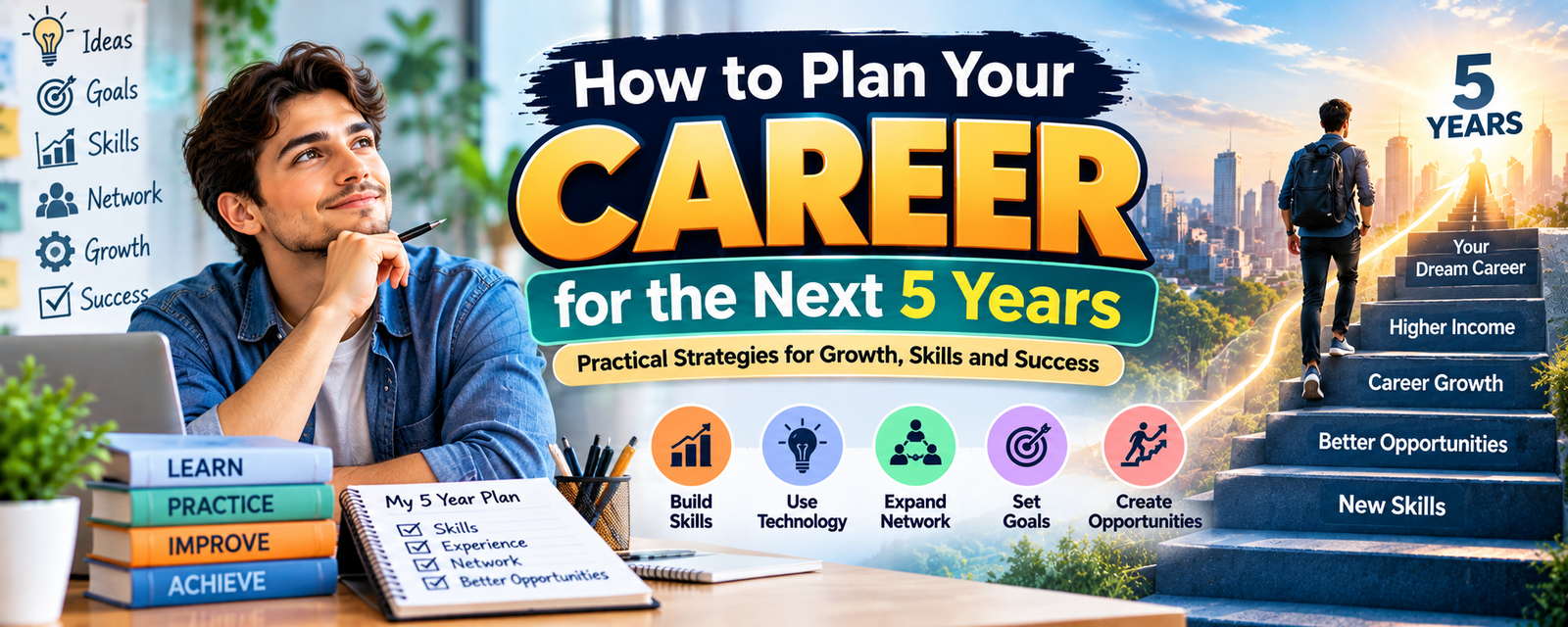
Key Takeaways
- Assess your current skills and identify gaps.
- Develop both technical and transferable skills.
- Build responsible AI and digital literacy.
- Create a flexible five-year roadmap.
- Develop a useful professional specialization.
- Build a portfolio that demonstrates real work.
- Continue learning through practical projects.
- Strengthen communication and leadership abilities.
- Maintain meaningful professional relationships.
- Review and adjust your career plan regularly.
Frequently Asked Questions
What are Career Development Strategies?
Career Development Strategies are planned actions that help a person build skills, gain experience, improve professional visibility, expand their network, and prepare for future career opportunities.
Why should I create a five-year career plan?
A five-year plan can provide direction for your learning, professional experience, networking, and career goals. It should remain flexible because industries, opportunities, and personal priorities can change.
What skills should I develop for the next five years?
The right skills depend on your industry, but a useful combination can include technical knowledge, digital literacy, communication, critical thinking, problem-solving, adaptability, teamwork, and leadership.
How can AI affect my career development?
AI may change how many professionals complete routine tasks, research information, analyze data, and create content. Learning how to use AI responsibly while developing skills that require human judgment can help you adapt to changing workflows.
How often should I review my career plan?
Reviewing your plan every three to six months can help you measure progress and adjust your goals. A major change in your industry, job, education, or personal priorities may also be a reason to review your plan.
Can Career Development Strategies help with a career change?
Yes. A structured approach can help you identify transferable skills, learn the requirements of a new field, build relevant experience, expand your network, and create a realistic transition plan.
Conclusion
The next five years do not need to be mapped out perfectly. What matters is developing the ability to learn, adapt, communicate, and create value as your professional environment changes.
Use Career Development Strategies to build a flexible roadmap based on your skills, interests, experience, professional relationships, and long-term goals. Focus on practical learning, relevant technology, strong communication, meaningful networking, and evidence of your abilities.
Most importantly, review your progress regularly. A career plan should be a working document rather than a fixed promise about the future. By staying curious, building useful skills, and responding thoughtfully to change, you can create more options for your professional future.