
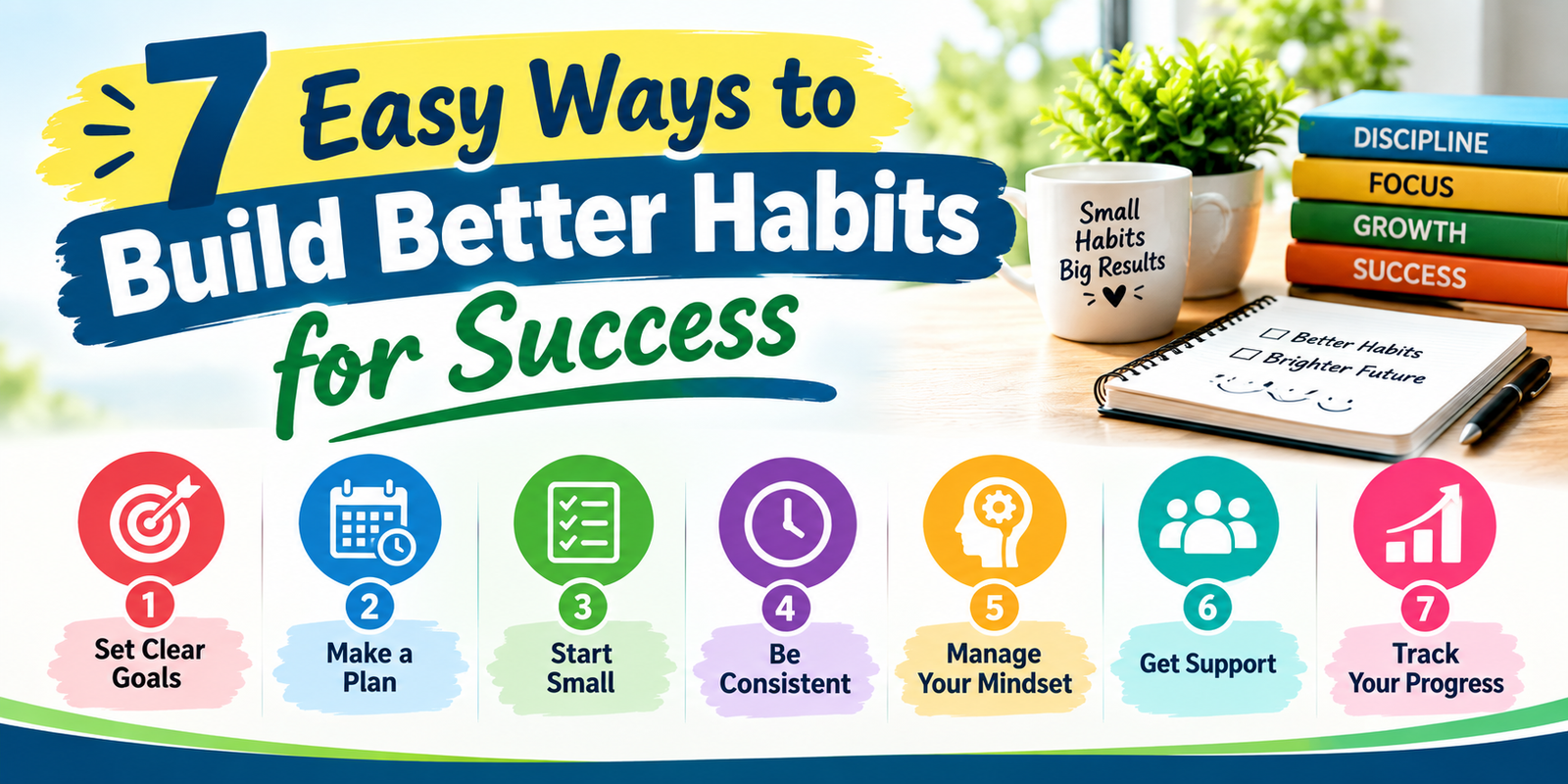
Learning to Build Better Habits can help you become more organized, productive, focused, and consistent. Whether your goal is personal growth, career development, better time management, improved concentration, or professional success, your daily actions have a major influence on your long-term results. Big goals are important, but they become easier to achieve when they are supported by practical routines.
People exploring remote career opportunities can benefit from habits related to communication, organization, time management, digital collaboration, and independent work. For additional workplace and management insights, readers can also explore professional articles and research from Harvard Business Review.
This guide explains how to Build Better Habits through small changes, realistic planning, consistent action, progress tracking, and a supportive environment. It also explains how positive habits can improve productivity, learning, career development, and long-term success.
Why Build Better Habits Matter for Long-Term Success
Habits are repeated behaviors that gradually become part of your normal routine. They can influence how you use your time, respond to challenges, complete responsibilities, and work toward important goals. For additional information about behavior, motivation, and personal development, readers can explore resources from the American Psychological Association.
A person who consistently plans the next day, studies regularly, exercises, reads, or reviews professional goals is creating patterns that support future progress. These actions may seem small on a single day, but their value increases when they are repeated over weeks and months.
Regular learning is another useful habit for personal and professional development. Readers interested in reliable health, learning, and scientific information can explore research and educational resources available through the National Institutes of Health.
Good habits can also reduce decision fatigue. When certain activities become part of your normal schedule, you spend less time deciding when or whether to complete them. This can leave more mental energy for important decisions and demanding tasks.
How to Build Better Habits Better Habits Step by Step
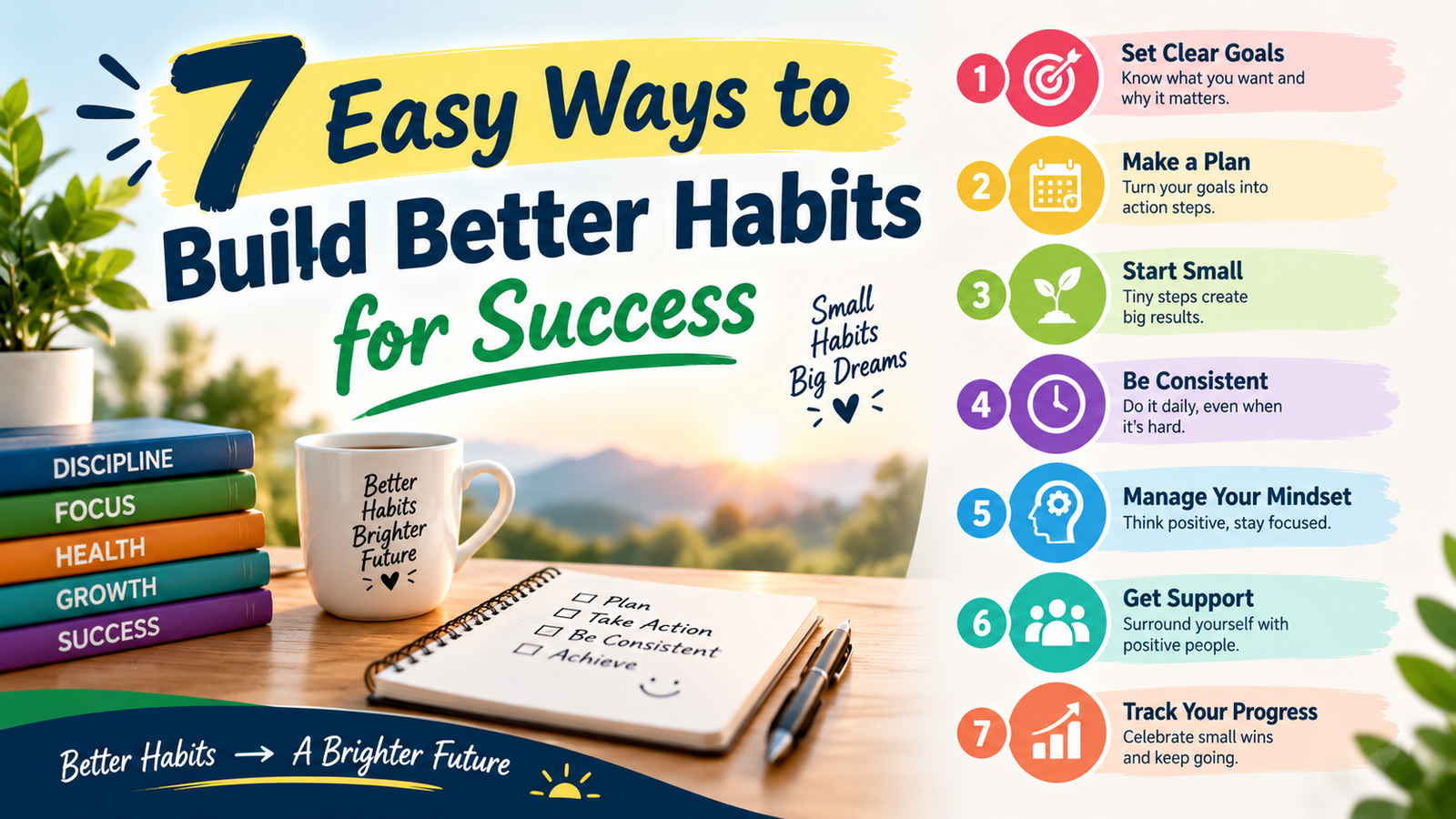
1. Start With One Specific Goal
The first step is to decide what you actually want to improve. A broad goal such as “I want to become successful” does not provide enough direction for daily action.
Instead, choose a specific area. You might want to improve your concentration, read more, learn a professional skill, manage your time better, exercise consistently, or reduce unnecessary screen time.
When you Build Better Habits, connect each habit to a clear outcome. For example, if your goal is career growth, a useful habit could be spending 30 minutes each weekday learning a skill related to your profession. Exploring Remote Career Opportunities can also help you identify professional skills and career paths that may benefit from consistent learning and personal development. You should also stay informed about common online earning scams before pursuing opportunities through the internet.
2. Make the First Step Small
One of the biggest mistakes people make is starting with an unrealistic routine. If you have not exercised regularly, planning a two-hour workout every day may create unnecessary pressure. If you rarely read, promising to finish a book every week may not be practical.
Start with an action that feels manageable. Read five pages, walk for ten minutes, study for 15 minutes, or spend five minutes organizing tomorrow’s priorities.
Small actions create less resistance. Once the behavior becomes familiar, you can increase the time or difficulty gradually.
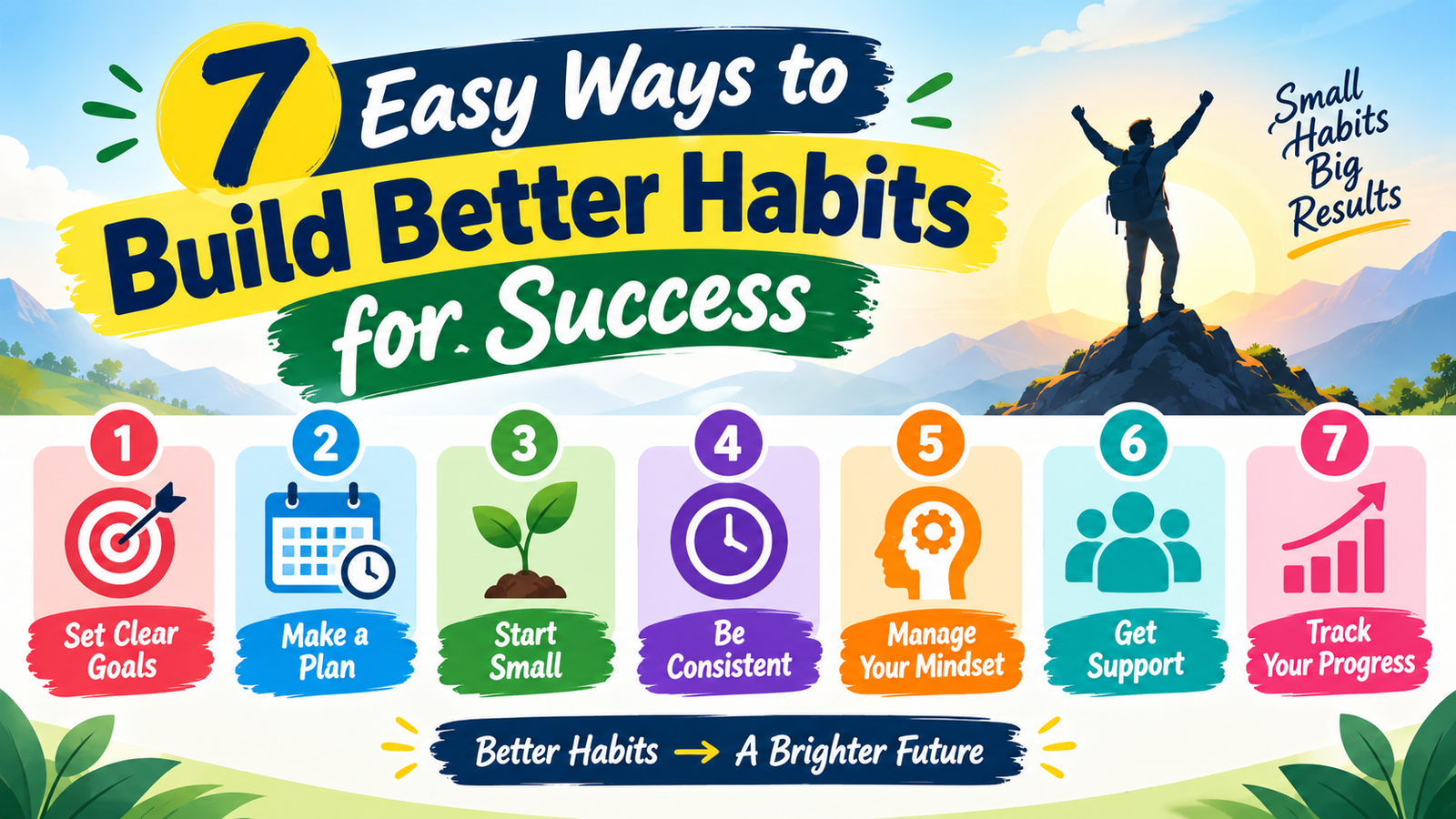
3. Give the Habit a Clear Cue
A cue is a reminder that tells your brain it is time to perform a behavior. Existing routines can provide useful cues for new habits.
For example, you could review your goals after breakfast, read after dinner, plan tomorrow’s tasks before closing your laptop, or practice a skill after finishing your morning routine.
This connection makes it easier to remember the new behavior without depending entirely on memory or motivation.
4. Create a Consistent Routine
Consistency is one of the foundations of successful habit building. You do not necessarily need to perform a habit at exactly the same minute every day, but having a predictable time or situation can make the behavior easier to repeat.
When you Build Better Habits, consider your actual schedule. A routine should fit your work, education, family responsibilities, sleep, and other important commitments.
If mornings are busy, do not force every important habit into the morning. Choose a time when you realistically have enough attention and energy.
5. Make Good Habits Convenient
Your environment can either support or weaken your routine. If the materials required for a habit are difficult to access, you may be less likely to begin.
Prepare your workspace before a study session. Keep a book where you normally relax if you want to read more. Prepare your work checklist before starting the day. Keep important documents organized so that beginning a task does not require unnecessary searching.
The easier a useful behavior becomes, the less effort it may take to repeat.
Use Your Environment to Support Build Better Habits
Your surroundings influence your behavior more than you may realize. Notifications, social media, clutter, noise, and constant interruptions can make focused work harder.
If your goal is to improve concentration, remove unnecessary notifications and keep distracting websites or applications away during important work sessions. If you want to spend more time learning, keep your learning resources easy to access.
People trying to Build Better Habits should look beyond willpower. Instead of constantly fighting distractions, change the environment so that the desired behavior becomes easier.
This principle can work in reverse as well. If you want to reduce an unwanted habit, increase the effort required to perform it. For example, moving distracting applications away from your main screen can create a small barrier before you use them.
Build Better Habits for Productivity
Productivity is not simply about doing more work. It is about using your time and attention effectively on tasks that matter.
A useful productivity routine can begin with identifying your most important priorities. Instead of creating an enormous task list, choose a manageable number of meaningful tasks for the day.
You can also divide larger projects into smaller actions. A task such as “prepare a job application” may feel difficult when treated as one large activity. Breaking it into updating your resume, checking requirements, writing a cover letter, and reviewing the application makes the process more manageable.
When you Build Better Habits around planning and prioritization, you can create a clearer structure for your working day without trying to control every minute.
Develop Build Better Habits That Improve Focus
Strong focus is useful for studying, writing, programming, research, planning, and many professional responsibilities. However, concentration can be affected by notifications, multitasking, poor planning, and an unsuitable work environment.
One practical approach is to create dedicated periods for focused work. During these periods, work on one meaningful task instead of constantly switching between unrelated activities.
Take reasonable breaks between demanding work sessions. Breaks can give you an opportunity to reset your attention before returning to the next task.
You can also create a simple starting routine. For example, clear your desk, identify the task, put your phone away, and begin with the first small action. Repeating this sequence can make it easier to enter a focused work state.
Build Better Habits for Career Growth
Career development often depends on continuous learning and consistent professional behavior. Skills can become outdated, industries can change, and new opportunities may require knowledge that you do not currently have.
Creating a regular learning routine can help you stay prepared. Depending on your field, this might include reading industry material, taking an online course, practicing software skills, improving communication, or developing technical knowledge.
People exploring remote career opportunities can benefit from habits related to communication, organization, time management, digital collaboration, and independent work.
For example, you might dedicate a specific amount of time each week to improving your resume, learning a new professional skill, researching suitable positions, or preparing for interviews.
The goal is not to spend every free hour working. The goal is to create consistent actions that support your longer-term career direction.
Turn Goals Into Daily Actions
Goals describe what you want to achieve, while habits describe what you repeatedly do to move toward that result.
Suppose your goal is to improve your professional qualifications. The goal itself does not tell you what to do today. A related habit might be studying for 30 minutes after work on weekdays.
If your goal is to improve writing skills, a useful habit might be writing for 15 minutes each morning. If your goal is to improve financial organization, you could review your expenses every Sunday.
When you Build Better Habits, translate large goals into actions that can be completed during an ordinary day.
Track Your Progress Without Becoming Obsessed
Tracking can make habits more visible. A simple calendar, notebook, spreadsheet, or habit-tracking application can help you record whether you completed a behavior.
The purpose of tracking is not to create pressure. It is to help you understand your consistency and identify patterns.
You might discover that you are more consistent with learning in the morning or that certain days are difficult because of work responsibilities. This information can help you improve your schedule.
Instead of focusing only on a perfect streak, look at your overall pattern. Missing one day does not mean your effort was wasted.
What to Do When You Lose Motivation
Motivation naturally changes. Some days you may feel enthusiastic, while on other days even simple tasks may feel difficult.
A strong routine should account for these changes. Create a smaller version of the habit for difficult days. If your normal study session is 30 minutes, you might commit to reviewing one page when your schedule is unusually demanding.
This approach helps preserve continuity without requiring unrealistic effort.
People who want to Build Better Habits should understand that consistency does not mean performing perfectly every day. It means returning to the routine after interruptions.
Build Better Habits by Managing Your Time
Time management becomes easier when you know which activities deserve your attention. Begin by identifying tasks that are important and time-sensitive.
Use a calendar or task list to organize deadlines. Estimate how long important activities may take, but leave some space for unexpected responsibilities.
Avoid filling your schedule so tightly that one delay causes the entire day to collapse. Flexibility is an important part of a sustainable routine.
You can also group similar activities together. For example, handle routine administrative tasks during one period rather than repeatedly interrupting focused work to deal with them.
Replace Unhelpful Build Better Habits Gradually
Breaking an unwanted habit can be harder when you simply tell yourself to stop. A more practical approach is to identify the trigger and choose a healthier alternative.
If you automatically check your phone whenever a task becomes difficult, put the phone in another location and take a short walk or drink water instead. If you delay difficult work by checking social media, create a rule that you will complete a small portion of the task before taking a break.
The objective is to change the pattern rather than relying entirely on self-control.
Create a Weekly Habit Review
A short weekly review can help you understand what is working. Choose a regular day and ask yourself a few simple questions.
- Which habits did I complete consistently?
- Which habits were difficult to maintain?
- What caused the interruptions?
- Was the routine realistic?
- What small change could make next week easier?
This review turns habit building into an ongoing improvement process. Rather than blaming yourself when something fails, examine the system and make a practical adjustment.
Common Mistakes to Avoid
Changing Everything at Once
Trying to completely redesign your life in one week can create unnecessary pressure. Focus on a few behaviors that have the greatest value.
Setting Unrealistic Standards
A routine should challenge you without becoming impossible. If your habit repeatedly fails because it requires too much time, reduce the starting requirement.
Depending Only on Motivation
Motivation is helpful, but it is not always reliable. Use schedules, reminders, environmental changes, and simple routines to support your actions.
Ignoring Rest
Productivity should not mean working continuously. Sleep, recovery, breaks, and personal responsibilities are also part of maintaining a sustainable routine.
Giving Up After One Failure
Missing a habit once is normal. The more useful response is to identify why it happened and return to the routine as soon as practical.
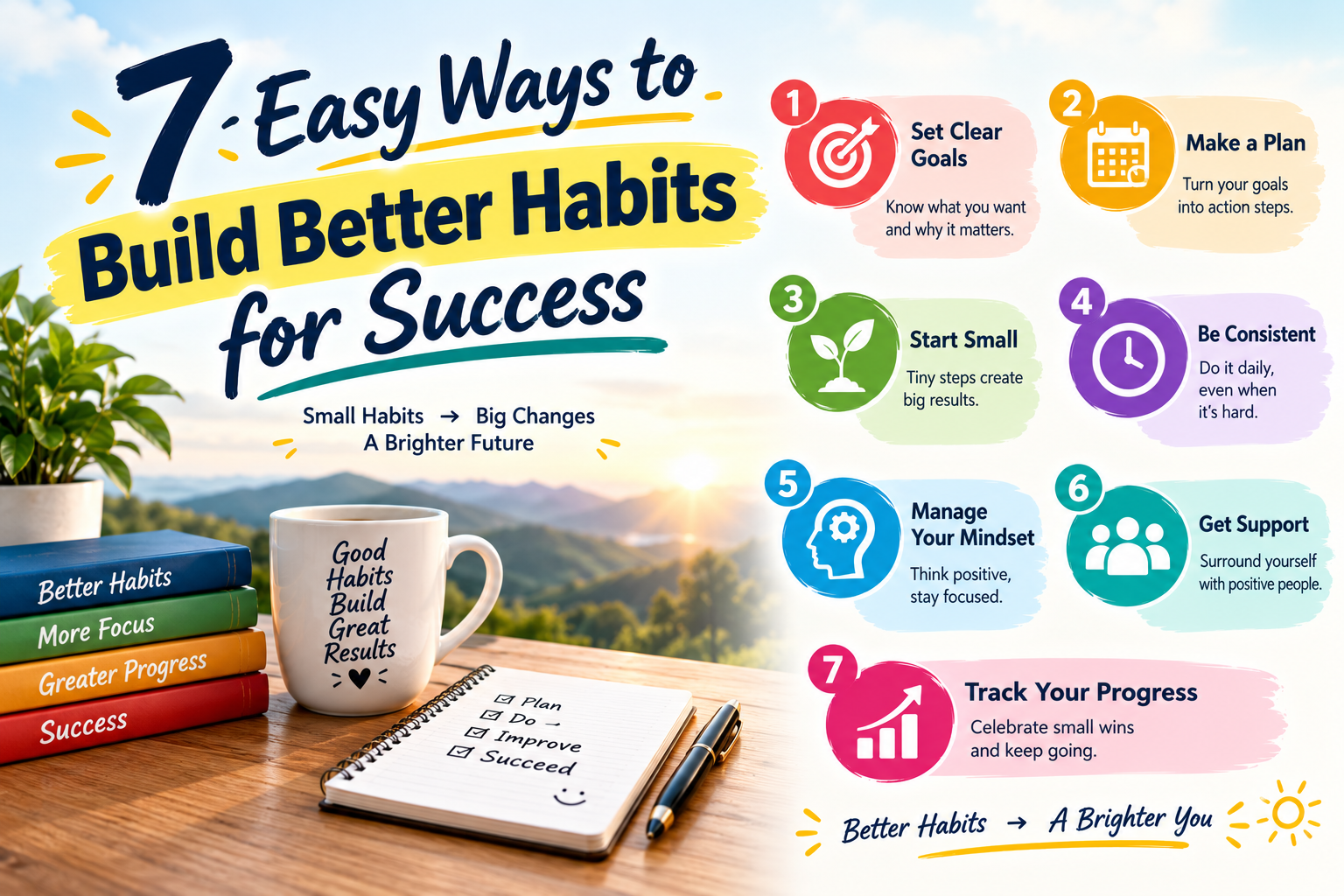
How to Make Build Better Habits Last
Long-lasting habits usually fit naturally into everyday life. They should not require constant struggle to maintain.
Start small, use clear cues, prepare your environment, track progress, and review your routine regularly. As the behavior becomes familiar, increase it gradually when appropriate.
It is also useful to connect habits with values that matter to you. A person who values career development may find it easier to maintain a learning routine when the connection between learning and professional goals is clear.
When you Build Better Habits, focus on creating a routine you can live with for months rather than a plan designed only for a few highly motivated days.
A Simple Daily Build Better Habits System
A practical daily system does not need to be complicated. You can divide your routine into three simple stages.
Morning
Review your priorities and identify the most important task. Avoid beginning the day with unnecessary distractions if you have demanding work to complete.
During Work or Study
Use focused periods for important tasks. Take reasonable breaks and keep your task list manageable.
Evening
Review what you completed and prepare for the following day. Identify unfinished priorities without turning the review into a source of stress.
This simple structure can make it easier to Build Better Habits without needing a complicated productivity system.
How Build Better Habits Can Support Remote Work
Remote work offers flexibility, but it can also require strong self-management. Without a traditional office environment, workers may need to create their own structure for communication, deadlines, focused work, and breaks.
Useful remote-work Build Better Habits include checking priorities before opening multiple applications, keeping work files organized, communicating clearly with colleagues, documenting important tasks, and creating a clear boundary between work and personal time.
These routines can help remote professionals stay organized while working from home or another location.
Learning to Build Better Habits can therefore support not only personal productivity but also the practical skills needed for independent professional work.
Use Technology Carefully
Technology can support habit building, but it should not become another source of distraction. Calendar reminders, task-management applications, digital notes, and habit trackers can be useful when they simplify your routine.
Choose tools based on what you actually need. You do not need several applications to manage a simple habit. A calendar and basic checklist may be enough for many people.
The purpose of technology should be to reduce friction and improve organization, not to create another complicated system that requires constant maintenance.
Focus on Progress, Not Perfection
One of the most important principles of sustainable self-improvement is accepting that progress is rarely perfectly consistent. Busy periods, unexpected responsibilities, travel, illness, deadlines, and changes in priorities can interrupt routines.
A flexible approach allows you to return without feeling that everything has been lost.
When you Build Better Habits, judge your progress over a meaningful period rather than by one difficult day. Ask whether your overall behavior is moving in the direction you want.
This mindset can make habit development more realistic and less stressful.
Frequently Asked Questions
What is the easiest way to Build Better Habits?
The easiest approach is to start with one small behavior that supports a clear goal. Attach it to an existing routine, make it convenient, and repeat it consistently before adding more habits.
How many Build Better Habits should I start with?
There is no fixed number, but starting with one or two meaningful habits can make the process easier to manage. Once they become more consistent, you can gradually introduce additional behaviors.
Can Build Better Habits improve productivity?
Yes. Useful habits such as daily planning, focused work, task organization, regular learning, and distraction management can create more structure around your time and attention.
How can I stay consistent when motivation is low?
Make the habit smaller, use a clear reminder, reduce distractions, and create a minimum version that you can complete on difficult days. The goal is to maintain the routine without demanding perfect performance.
How do Build Better Habits help with career development?
Career-related habits can support learning, communication, organization, time management, networking, job preparation, and professional skill development. Consistent small actions can keep career goals moving forward.
What should I do if I fail to maintain a habit?
Identify what interrupted the routine and make a practical adjustment. Then restart as soon as possible. A temporary interruption is not the same as permanent failure.
Conclusion
Learning to Build Better Habits is about creating practical behaviors that support the results you want. Instead of attempting a complete transformation overnight, choose one clear goal and turn it into a small action that can fit naturally into your daily life.
Use reminders, supportive environments, realistic schedules, progress tracking, and regular reviews to make your routine easier to maintain. If you miss a day, return to the habit rather than abandoning the entire process.
Over time, consistent habits can support productivity, focus, learning, career growth, and personal development. The most effective routine is not necessarily the most complicated one. It is the one you can realistically follow and improve over time.